Powered By


I'm experiencing burning from the scales on my face ears and nose and chin a little on my forehead from a bad flare up today what can I buy from Walgreens that would help calm these scales down and right now I have a kinda frozen shirt on the scales and not really helping much....
Please help:(
08/02/2025
Search Assist
To manage scales from seborrheic dermatitis, use medicated shampoos containing ingredients like ketoconazole, selenium sulfide, or zinc pyrithione. These products help reduce flaking and inflammation on the scalp and other affected areas.
U.S. Department of Veterans Affairs Mayo Clinic
Understanding Seborrheic Dermatitis and Scales
Seborrheic dermatitis is a common skin condition that leads to flaky, scaly patches, particularly on the scalp, face, and upper body. The scales can be dry or greasy and are often accompanied by itching.
Causes of Scales
Yeast Overgrowth: An overabundance of Malassezia yeast on the skin can trigger inflammation, leading to scales.
Oil Production: Areas rich in sebaceous (oil) glands are more prone to this condition.
Environmental Factors: Stress, cold weather, and certain skin irritants can worsen symptoms.
Treatment Options
To manage scales from seborrheic dermatitis, various products can be used:
TYPE OF PRODUCT ACTIVE INGREDIENTS USAGE
Medicated Shampoos - Ketoconazole- Selenium sulfide- Zinc pyrithione Use 2-3 times a week; leave on for a few minutes before rinsing.
Topical Creams/Lotions - Corticosteroids (e.g., hydrocortisone)- Antifungal creams Apply to affected areas as directed by a healthcare provider.
Home Remedies - Tea tree oil- Coconut oil- Aloe vera Use diluted oils or creams; patch test first to avoid irritation.
Self-Care Tips
Regular Washing: Wash your scalp regularly with a gentle, fragrance-free shampoo.
Moisturizing: Apply a fragrance-free moisturizer after washing to keep skin hydrated.
Avoid Irritants: Limit exposure to harsh chemicals and irritants that can aggravate the condition.
Managing seborrheic dermatitis often requires a combination of treatments and lifestyle adjustments. If symptoms persist, consult a healthcare provider for personalized advice.
Hey JaniceH..... sounds like a Paresthesia. I've never experienced it myself but here's a web site that I found on the internet all about it: https://my.clevelandclinic.org/health/symptoms/....
Some cortizones help as well as other anti fungal/bacteria creams n ointments. LINK: https://www.mysebdermteam.com/resources/best-mo...
Give Your local Pharmacist a call and ask what they suggest.
Do U have a dermatologist? If U see a dermatologist, He/She will know exactly how to help U.🙂
⭐By the way, go all natural if U can.
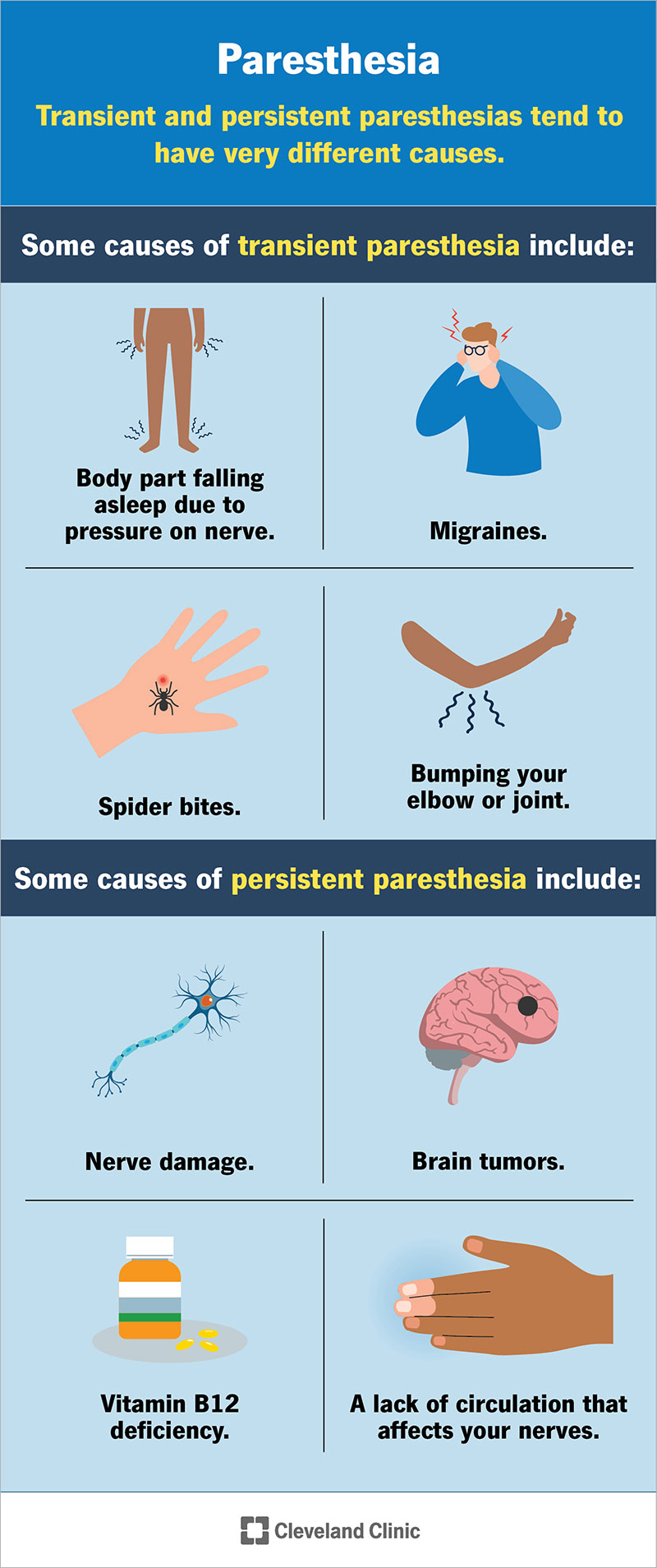
These instructions are great.
For seborrheic dermatitis, consider using gentle, over-the-counter medicated shampoos containing ingredients like pyrithione zinc or selenium sulfide, which can help manage symptoms without being too harsh. Additionally, maintaining a regular skincare routine with fragrance-free moisturizers can also be beneficial.
Mayo Clinic Cleveland Clinic
Gentle Treatments for Seborrheic Dermatitis
Over-the-Counter Options
Medicated Shampoos: Look for shampoos containing:
Pyrithione zinc (e.g., Head & Shoulders)
Selenium sulfide (e.g., Selsun Blue)
Ketoconazole (e.g., Nizoral A-D)
Moisturizers: Use fragrance-free moisturizers to keep your skin hydrated. This can help reduce irritation and flaking.
Natural Remedies
Aloe Vera: Known for its soothing properties, aloe vera can help calm irritated skin.
Tea Tree Oil: This oil has antifungal and anti-inflammatory properties. Dilute it with a carrier oil before applying to the skin.
Fish Oil Supplements: Omega-3 fatty acids may help reduce inflammation and improve skin health.
Lifestyle Changes
Gentle Cleansing: Wash your skin with a mild, fragrance-free cleanser. Avoid harsh soaps that can irritate your skin.
Regular Shampooing: Shampoo your scalp regularly to remove excess oil and flakes. Follow the instructions on medicated shampoos for best results.
Avoid Triggers: Identify and avoid products that irritate your skin, such as alcohol-based skincare items or harsh chemicals.
When to Seek Help
If over-the-counter treatments and natural remedies do not improve your symptoms, consider consulting a dermatologist. They can recommend gentler prescription options tailored to your needs.
Baby shampoo and mineral oil.


 Join
Join



 Your Privacy Choices